


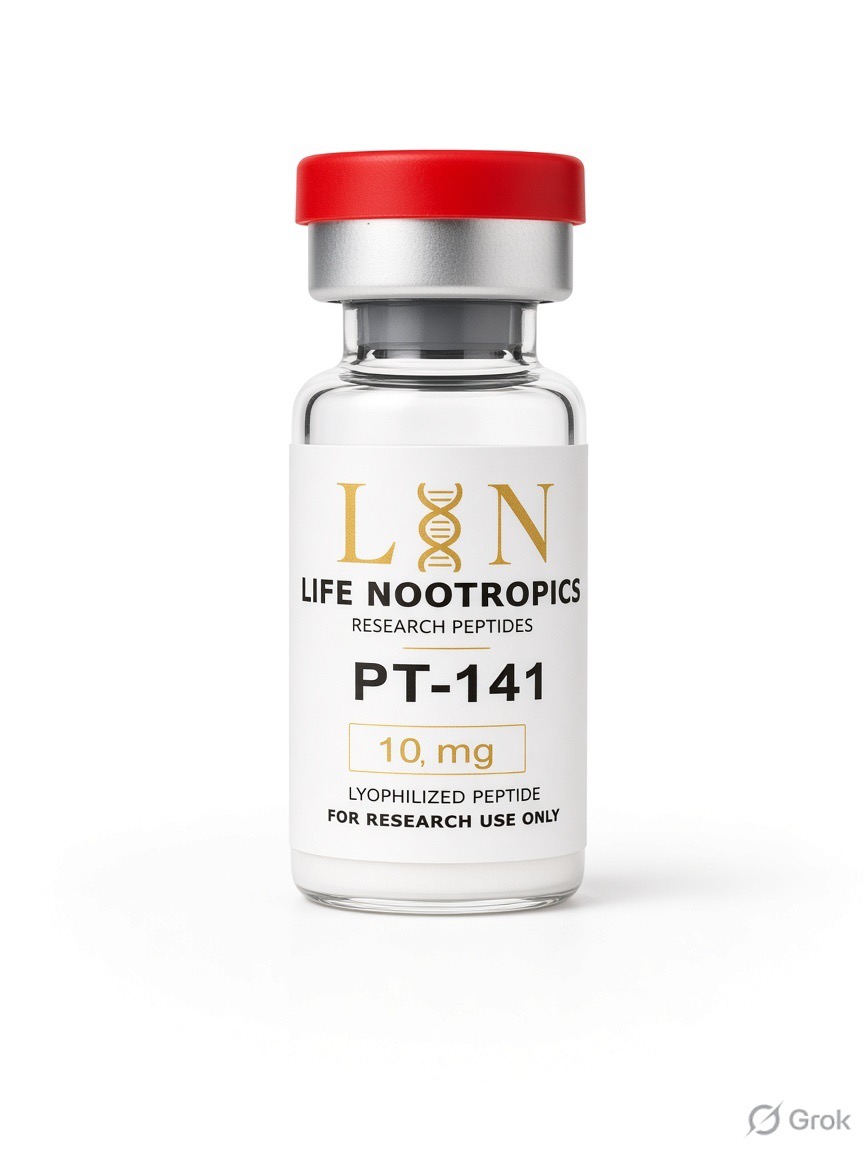
Peptides are structurally sensitive compounds. Their biochemical stability depends heavily on external variables, particularly temperature, light exposure, moisture, and sterile handling protocols.
At a molecular level, peptides are prone to several distinct degradation pathways when environmental factors deviate from laboratory standards. Understanding these mechanisms allows researchers to preserve analytical integrity and ensure reproducible experimental outcomes.
Primary Mechanisms of Peptide Degradation
When peptides are exposed to suboptimal conditions, four main chemical processes can rapidly compromise their purity:
- Hydrolysis: The chemical breakdown of peptide amide bonds caused by moisture. Acidic or alkaline pH shifts and elevated temperatures accelerate hydrolytic cleavage.
- Oxidation: Residues containing sulfur or aromatic rings (such as Methionine, Cysteine, and Tryptophan) are vulnerable to oxygen radicals, leading to conformational changes and loss of biological affinity.
- Deamidation: Asparagine and glutamine residues can spontaneously deamidate in neutral or basic solutions, altering the peptide’s charge profile and primary sequence.
- Aggregation & Precipitation: Agitation, rapid temperature shifts, or excessive vortexing during reconstitution can cause hydrophobic regions of peptide chains to self-associate, forming insoluble aggregates.
Key Storage & Handling Considerations
To guard against molecular breakdown, adhere to these fundamental protocols:
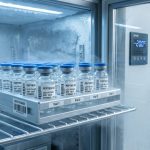
- Lyophilized Peptides: Always store in cold, dry, dark environments (-20°C). Keep desiccant present to absorb residual moisture.
- Aqueous Stability: Once dissolved, reconstituted peptides exhibit limited half-lives. Keep solutions refrigerated between 2°C and 8°C at all times.
- Avoid Mechanical Stress: Swirl gently rather than aggressively shaking or vortexing during reconstitution to preserve secondary and tertiary structure.
- Thermal Continuity: Avoid temperature fluctuations; do not store vials on refrigerator doors where ambient temperature swings occur upon opening.
The Impact of Sequence Composition
Not all peptides degrade at the same rate. Sequence length, hydrophobic character, and specific amino acid combinations dictate stability. Short linear peptides are generally more rugged than complex multi-disulfide bridged sequences or long-chain analogs.
Quality Standards in Research
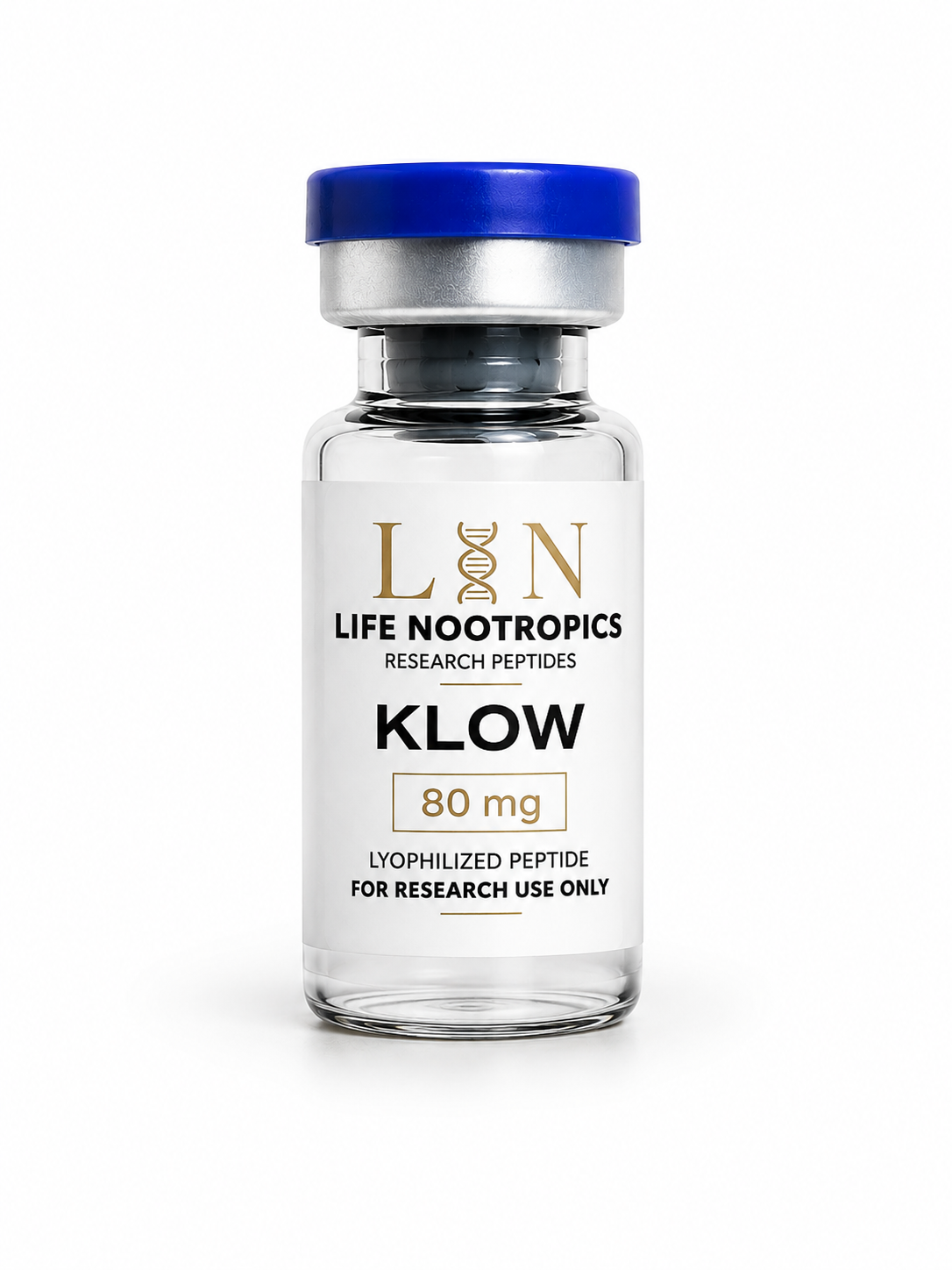
High-quality scientific research depends not only on initial compound purity, but on preserving that purity throughout the entire experimental lifecycle. Life Nootropics peptides are produced under controlled laboratory synthesis with verified stability protocols — but meticulous post-delivery handling remains equally critical.